
Applying Landscape Fundamentals: Mastering the Art of Outdoor Beauty

Creating a stunning outdoor space is both an art and a science. When I first began exploring the world of landscape design, I quickly realized that success lies in understanding and applying core principles that guide every thoughtful garden and yard transformation. These principles are the foundation upon which breathtaking landscapes are built, turning ordinary properties into extraordinary retreats. Whether you are planning a new garden or refreshing an existing one, embracing these fundamentals will elevate your outdoor environment to new heights.
Understanding Landscape Fundamentals: The Blueprint for Success
Before diving into plant selection or hardscape installation, it’s essential to grasp the basic landscape fundamentals that shape every great design. These include balance, unity, proportion, rhythm, and focalization. Each principle plays a unique role in crafting a cohesive and inviting outdoor space.
Balance ensures that visual weight is evenly distributed. This can be symmetrical, where elements mirror each other, or asymmetrical, where different elements balance through contrast.
Unity ties the entire design together, creating harmony between plants, structures, and pathways.
Proportion relates to the size of elements in relation to each other and the overall space.
Rhythm guides the eye through repetition and variation, creating movement.
Focalization draws attention to key features like a water fountain, sculpture, or a striking tree.
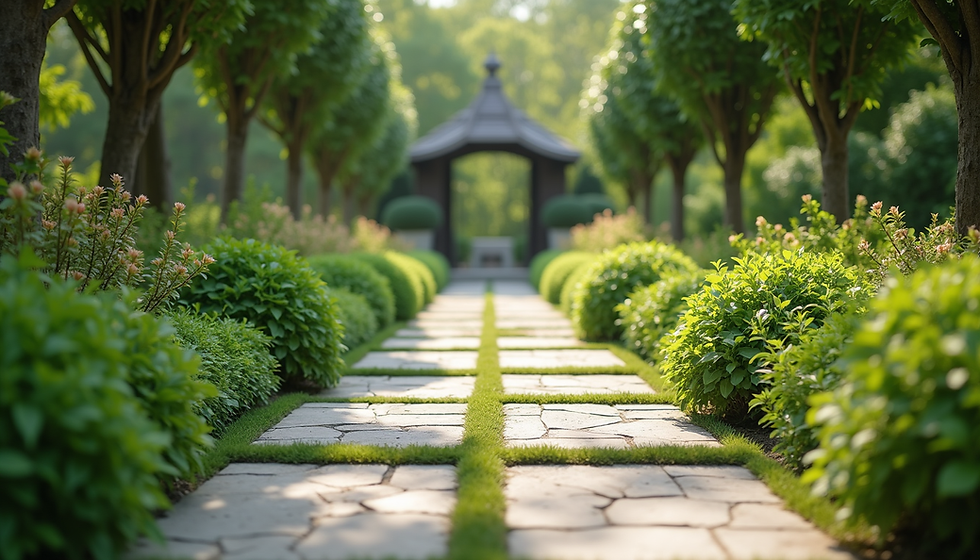
By thoughtfully combining these elements, you create a landscape that feels intentional and inviting. For example, a symmetrical balance with matching flower beds on either side of a walkway can evoke a sense of formality and order, perfect for classic homes. Alternatively, an asymmetrical design with varied plant heights and textures can feel more relaxed and natural.
Practical Tips for Applying Landscape Fundamentals
Applying these principles in real life requires more than theory. Here are actionable recommendations to help you bring your vision to life:
Start with a Site Analysis
Assess your property’s sun exposure, soil type, drainage, and existing vegetation. This knowledge informs plant choices and layout decisions.
Create a Master Plan
Sketch your ideas, incorporating hardscape elements like patios, walkways, and fences. Use graph paper or digital tools to maintain scale and proportion.
Choose Plants Wisely
Select native or climate-appropriate plants that thrive in your region. Group plants with similar water and light needs to simplify maintenance.
Use Repetition for Rhythm
Repeat colors, shapes, or textures to create a sense of flow. For instance, planting a row of lavender along a path can guide visitors naturally.
Establish Focal Points
Incorporate features such as a bench under a flowering tree or a decorative urn to anchor the design and provide visual interest.
Consider Seasonal Interest
Plan for year-round appeal by mixing evergreens, flowering plants, and ornamental grasses that change with the seasons.
Maintain Proportion and Scale
Avoid overpowering small spaces with large trees or oversized furniture. Instead, opt for plants and features that complement the size of your yard.
By following these steps, you ensure your landscape is not only beautiful but also functional and sustainable.
Enhancing Outdoor Spaces with Thoughtful Design
One of the most rewarding aspects of applying landscape fundamentals is witnessing how a well-designed space enhances daily living. Outdoor areas become extensions of the home, perfect for relaxation, entertaining, or simply enjoying nature’s beauty.
Consider a backyard transformation where a simple lawn is replaced with layered planting beds, a cozy seating area, and a winding path. The balance between hardscape and softscape elements creates a welcoming atmosphere. The rhythm of repeated plantings leads guests through the garden, while a focal point like a fire pit invites gathering.
Incorporating lighting is another way to extend usability and highlight design features after dark. Soft uplighting on trees or pathway lights can add drama and safety, making the space inviting at all hours.
The Role of Sustainability in Landscape Fundamentals
Sustainability is no longer optional in landscape design; it is a vital component of responsible outdoor living. Applying landscape fundamentals with an eco-conscious mindset benefits both the environment and your property’s long-term health.
Water Conservation: Use drought-tolerant plants and efficient irrigation systems to reduce water use.
Soil Health: Incorporate organic mulches and compost to improve soil structure and fertility.
Wildlife Habitat: Choose native plants that support local pollinators and birds.
Energy Efficiency: Strategically place trees and shrubs to provide shade and windbreaks, reducing heating and cooling costs.
By integrating these sustainable practices, your landscape becomes a resilient, thriving ecosystem that supports biodiversity and conserves resources.
Bringing It All Together: Your Path to a Stunning Landscape
Mastering the art of landscape design is a journey that begins with understanding and applying the core principles that govern every successful project. When I apply landscape design principles thoughtfully, the results are transformative. Each element, from plant selection to layout, works in harmony to create a space that is both beautiful and functional.
Whether you are starting from scratch or enhancing an existing garden, remember that patience and planning are your greatest allies. Take the time to analyze your site, develop a clear plan, and select elements that complement each other. The payoff is a breathtaking outdoor space that reflects your style and enhances your property’s value.
By embracing these fundamentals, you are not just designing a garden - you are crafting a sanctuary that will bring joy and inspiration for years to come. Let your outdoor space tell a story of balance, beauty, and thoughtful design.
With these insights, you are well-equipped to embark on your landscape design journey. Remember, every great garden starts with a solid foundation in the fundamentals. Your dream outdoor space awaits!


Comments