
Foundational Principles of Landscape Design: Landscape Design Basics for Stunning Outdoor Spaces
- Delray Garden Center

- Jul 15
- 4 min read
Creating a beautiful outdoor space is both an art and a science. When done right, it transforms a simple yard into a breathtaking masterpiece that complements the home and enhances the lifestyle of those who enjoy it. Over the years, I have come to appreciate how essential it is to understand the foundational principles that guide every successful landscape project. These principles are the backbone of every thoughtfully designed garden, patio, or green space.
Whether you are starting from scratch or refining an existing landscape, mastering these basics will empower you to make informed decisions that elevate your outdoor environment. Let’s explore the core elements that form the foundation of exceptional landscape design.
Understanding Landscape Design Basics
Before diving into the specifics, it’s important to grasp what landscape design entails. At its core, landscape design is the art of arranging outdoor spaces to be both functional and visually appealing. It involves careful planning of plants, structures, pathways, and other elements to create harmony and balance.
The landscape design basics include:
Functionality: How the space will be used daily.
Aesthetics: The visual appeal and style.
Sustainability: Choosing plants and materials that thrive in the local climate.
Maintenance: Ensuring the design is manageable over time.
For example, a family with children might prioritize open lawn areas and safe play zones, while a homeowner who loves entertaining may focus on patios and seating arrangements. Understanding these needs upfront shapes the entire design process.

Key Elements That Shape Outdoor Spaces
Every successful landscape design incorporates several key elements that work together to create a cohesive and inviting environment. These elements include:
Line
Lines guide the eye and movement through the space. They can be straight, curved, or angular, and each type creates a different mood. Straight lines suggest formality and order, while curved lines evoke a more natural, relaxed feel.
Form
Form refers to the shape of individual plants and structures. Combining different forms adds interest and depth. For instance, pairing tall, vertical trees with low, rounded shrubs creates a pleasing contrast.
Texture
Texture is the surface quality of plants and materials. Mixing coarse and fine textures adds richness to the landscape. Think of the difference between the smooth leaves of a hosta and the rough bark of an oak tree.
Color
Color influences mood and can highlight focal points. Using a harmonious color palette ensures the space feels unified. Bright flowers can energize a garden, while muted greens and blues promote calm.
Scale and Proportion
These principles ensure that elements fit well together and with the overall space. A massive tree in a small yard can overwhelm, while tiny plants in a large garden may feel lost.
By thoughtfully combining these elements, you create a landscape that is visually balanced and functional.
Practical Tips for Applying Landscape Design Basics
Implementing these principles can seem daunting, but breaking them down into actionable steps makes the process manageable. Here are some practical recommendations:
Start with a Site Analysis
Assess your property’s sun exposure, soil type, drainage, and existing vegetation. This information guides plant selection and placement.
Define Zones
Divide your outdoor space into functional zones such as dining, relaxation, play, and gardening. Use pathways, hedges, or changes in elevation to separate these areas.
Choose Plants Wisely
Select native or well-adapted plants that thrive in your region’s climate. This reduces maintenance and water use.
Incorporate Hardscaping
Elements like patios, walls, and walkways add structure and usability. Use materials that complement your home’s architecture.
Plan for Year-Round Interest
Include a mix of evergreen and deciduous plants, flowering species, and those with interesting bark or foliage to keep the landscape attractive in every season.
Consider Lighting
Outdoor lighting extends usability into the evening and highlights key features.
Maintain Balance and Rhythm
Repeat certain plants or materials to create rhythm, and balance large and small elements to avoid visual clutter.
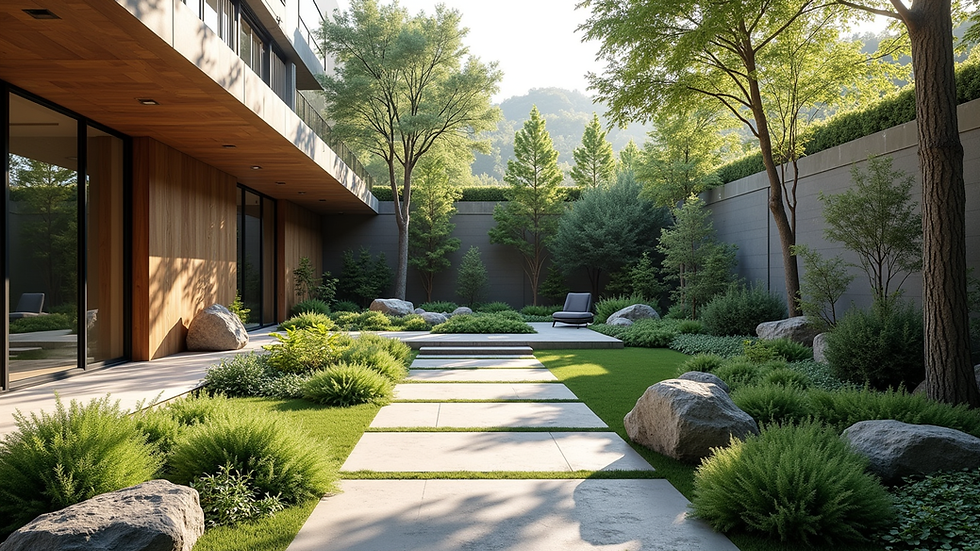
The Role of Sustainability in Landscape Design
Sustainability is no longer optional; it’s a vital part of modern landscape design. Creating an eco-friendly outdoor space benefits both the environment and your property’s long-term health.
Here are some sustainable practices to consider:
Water Conservation: Use drought-tolerant plants and efficient irrigation systems like drip lines.
Soil Health: Incorporate organic mulch and compost to improve soil fertility naturally.
Native Plants: These require less water and support local wildlife.
Permeable Surfaces: Use materials that allow rainwater to soak into the ground, reducing runoff.
Energy Efficiency: Position trees to provide shade and reduce cooling costs for your home.
By integrating these strategies, your landscape will not only look stunning but also contribute positively to the local ecosystem.
Bringing It All Together: Crafting Your Dream Outdoor Space
Mastering the foundational principles of landscape design empowers you to create outdoor spaces that are both beautiful and practical. Remember, the key is to balance aesthetics with function, sustainability, and maintenance.
When you apply these principles thoughtfully, your property becomes more than just a yard - it transforms into a personal sanctuary, a place to relax, entertain, and connect with nature. Whether you are planting your first garden or redesigning an existing space, these basics provide a roadmap to success.
For those seeking expert guidance, partnering with a local garden center or landscape professional can make all the difference. They bring experience, regional knowledge, and creative insight to help you realize your vision.
Embrace the journey of landscape design with confidence, knowing that every element you choose contributes to a harmonious and inviting outdoor masterpiece.


Comments